Comprehensive Guide to DC Charging Standards for Chinese Manufacturers
With extensive experience in the electric vehicle sector, I recognize the critical role that reliable DC charging standards play for manufacturers and consumers alike. Partnering with manufacturers in China who emphasize quality and compliance with international standards is essential for success. Our DC charging solutions cater to the diverse needs of electric vehicles, ensuring efficient and safe charging processes. We are distinguished by our commitment to innovation and adherence to the latest charging standards. Our collaboration with leading engineers has resulted in the development of chargers that improve performance while meeting global safety regulations. Choosing our products means investing in dependable technology that supports your operations for many years. Whether expanding your offerings or in need of reliable charging solutions, we are dedicated to supporting your objectives and fostering growth in the EV market. Your success remains our top priority.
Dc Charging Standards Is The Best Your Trusted OEM Partner
In the rapidly evolving world of electric vehicle technology, understanding the various DC charging standards is essential for any global buyer looking to invest in EV solutions. As electric mobility gains momentum around the world, the significance of partnering with a reliable OEM that adheres to these standards cannot be overstated. Optimal charging solutions not only ensure compatibility and performance for end-users but also enhance the value of your investment. Navigating the complexities of DC charging standards can seem daunting; however, with the right partner, the process becomes seamless. Trusted OEMs bring expertise and innovative solutions that align with international standards, guaranteeing that your infrastructure remains robust and future-proof. By collaborating with an OEM that prioritizes quality and compliance, buyers can mitigate risks and accelerate the deployment of charging stations tailored to the needs of diverse markets. As the demand for electric vehicles continues to surge, making an informed decision about your charging infrastructure is vital. Partnering with a trusted OEM ensures that you are not only supported by cutting-edge technology but also by a network that understands the intricacies of global markets. This partnership empowers buyers to stay ahead of the curve in an ever-competitive landscape, reinforcing their commitment to sustainability and innovation.
Dc Charging Standards Is The Best Your Trusted OEM Partner
| Standard Name | Connector Type | Voltage Range (V) | Current (A) | Application |
|---|---|---|---|---|
| IEC 62196-2 | Type 2 | AC 230 | 16-32 | Home Charging |
| CHAdeMO | CHAdeMO | DC 50-500 | 125 | Fast Charging |
| CCS (Combined Charging System) | Type 1 / Type 2 | DC 150-920 | 350 | Fast/Ultra Charging |
| GB/T | GB/T 20234 | DC 200-1000 | 200 | National Standard |
Related Products
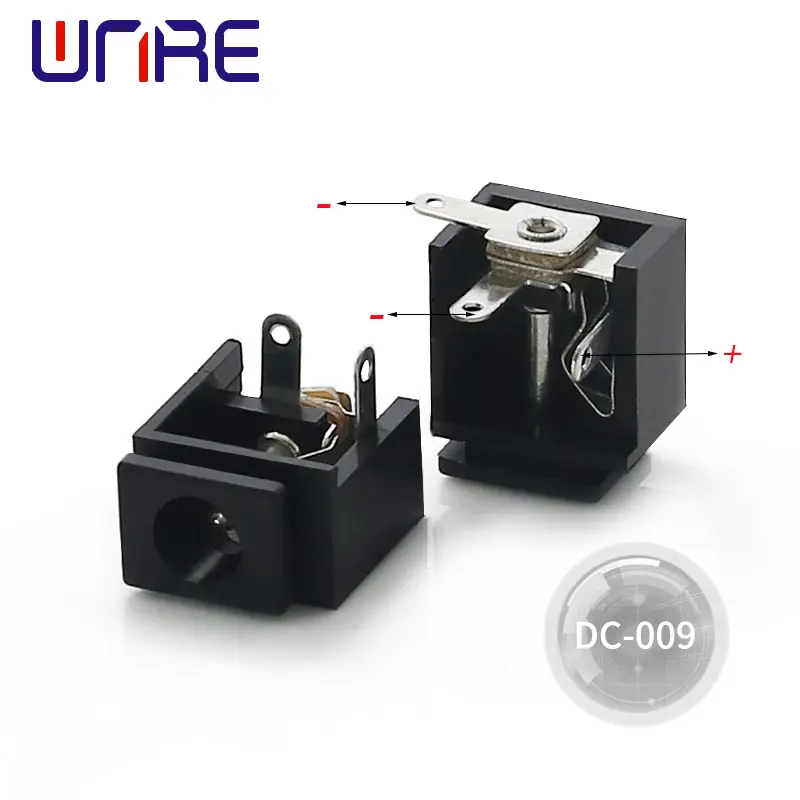
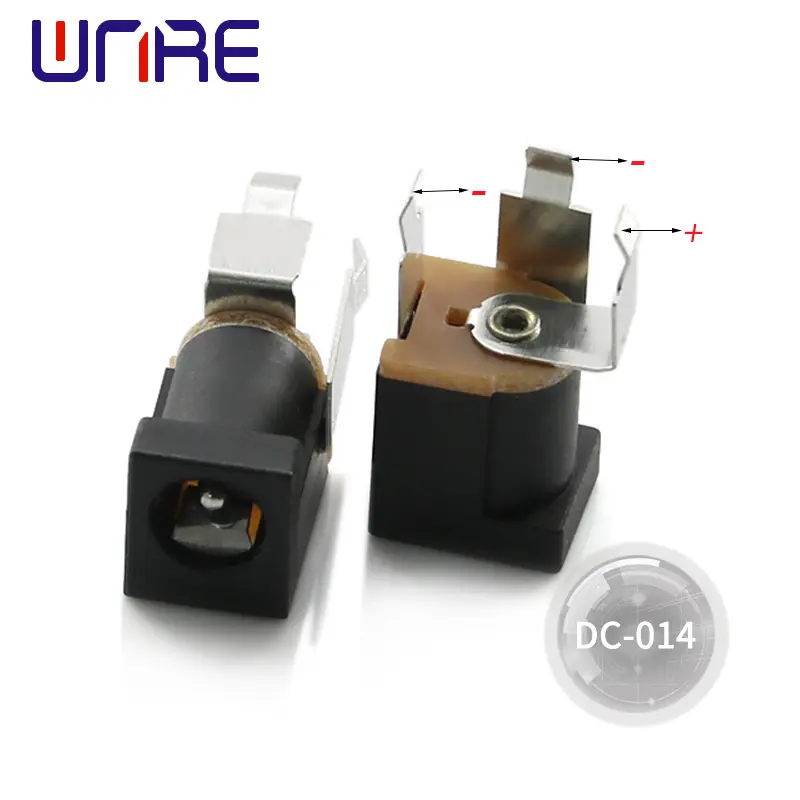
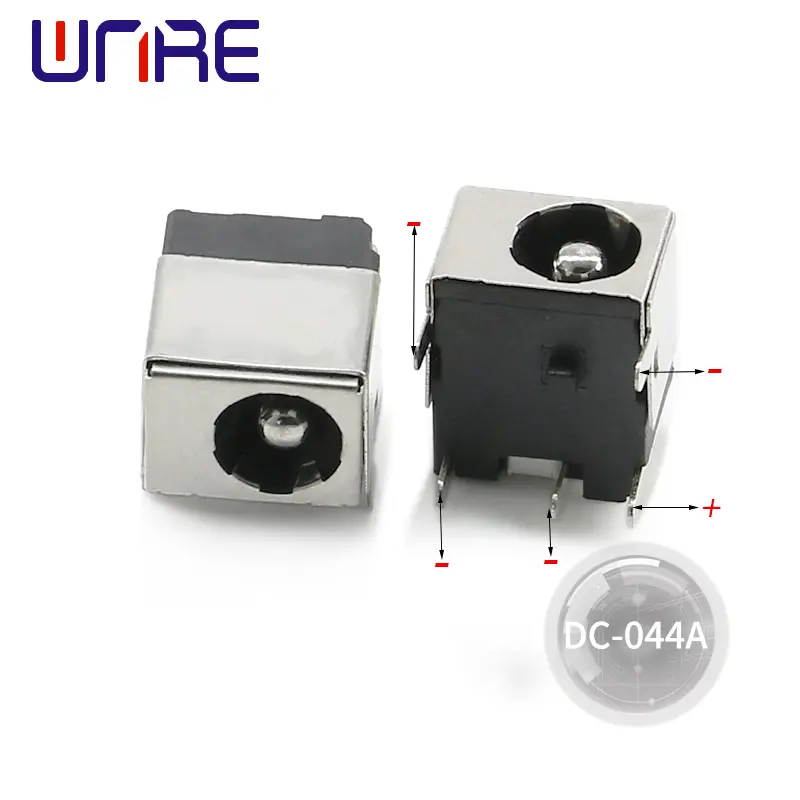
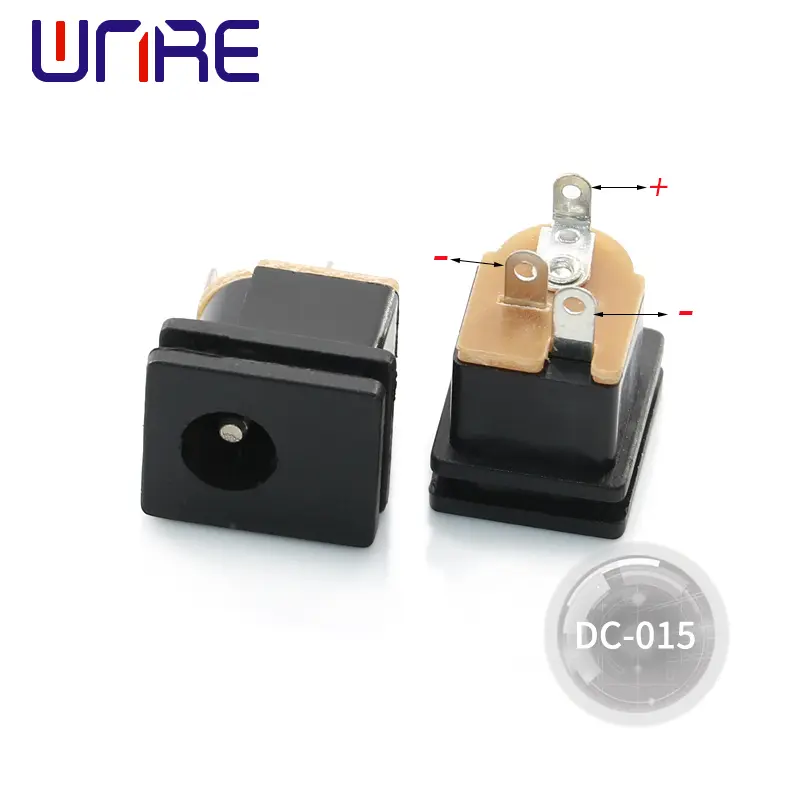
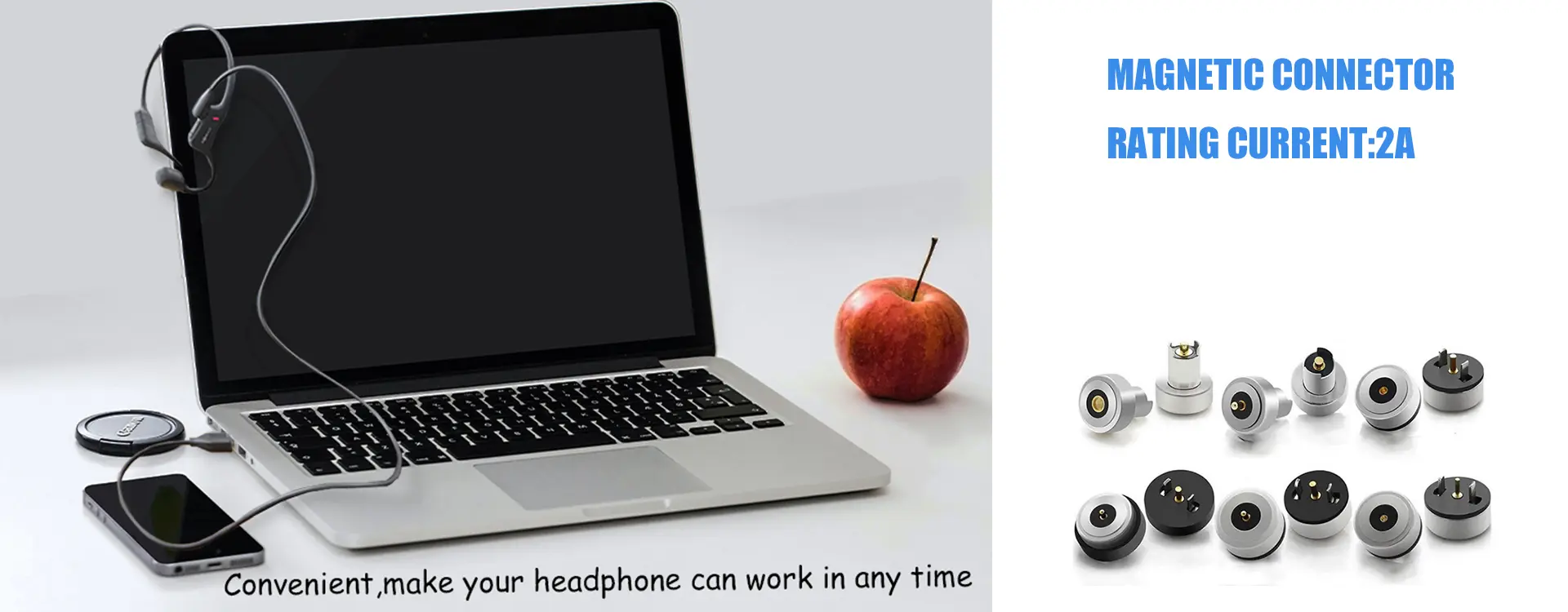
Dc Charging Standards Sets the Industry Standard Service Backed by Expertise
Top Selling Products
- Related Blog
- Reviews
- Reviews