
Leading Chinese Manufacturers in Electric Vehicle Energy Storage Solutions
Energy storage is essential for the advancement of electric vehicles, and as a leading manufacturer in China, we address the specific needs of businesses seeking innovative and dependable solutions. Our energy storage systems are purpose-built for electric vehicles, ensuring optimal performance, enhanced range, and robust safety features. We emphasize state-of-the-art technology and solid engineering to deliver high-quality products that tackle the challenges of today’s evolving market. Our team specializes in tailored solutions designed to improve efficiency and lower operational costs. Partnering with us means equipping your electric vehicle fleet with superior energy storage systems, driving your business toward a more sustainable future. Together, we can harness the potential of advanced energy storage and elevate the industry.

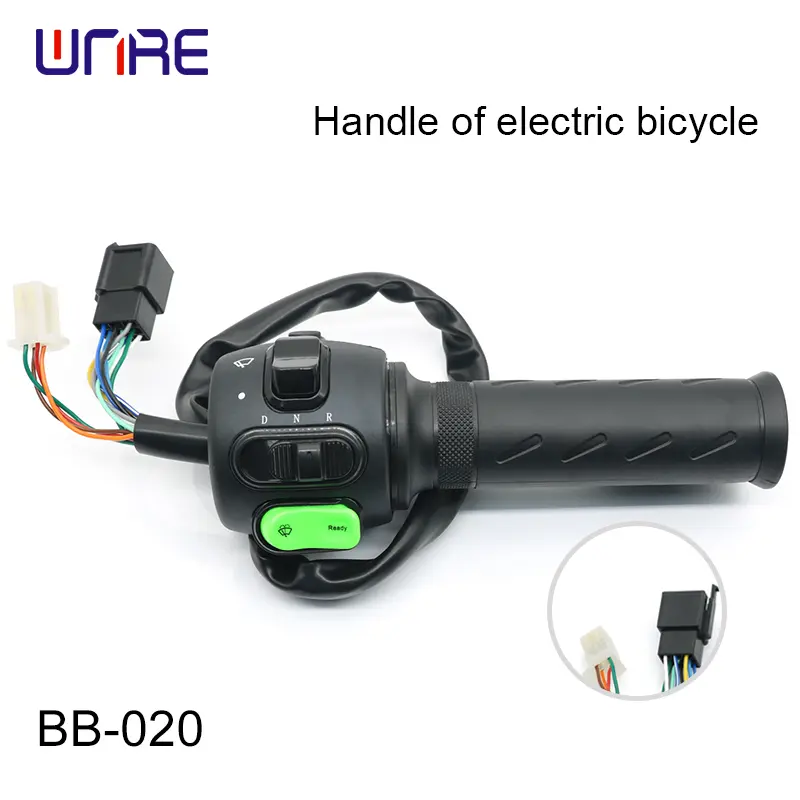
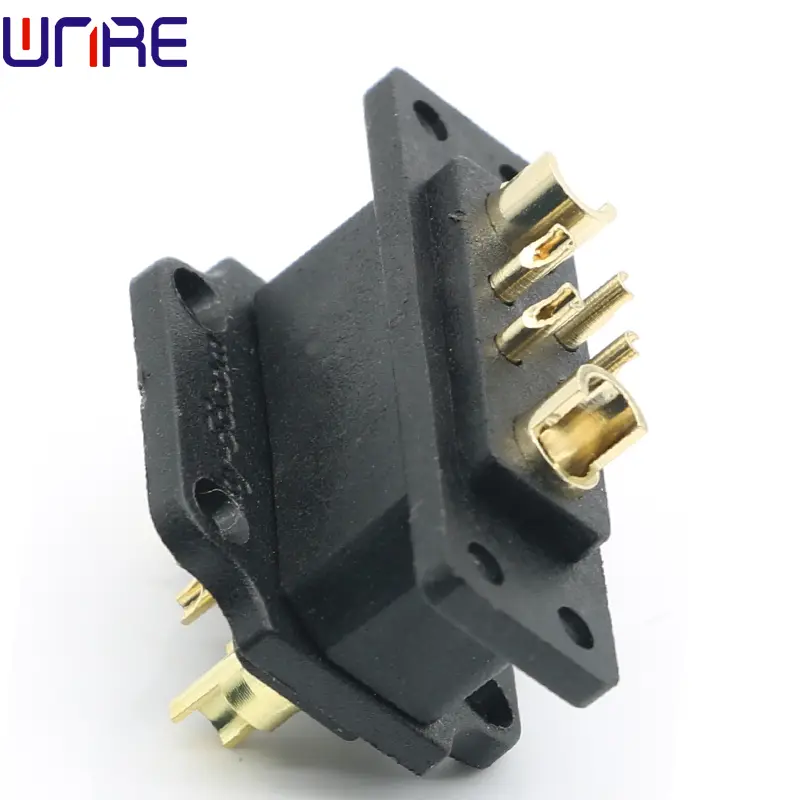
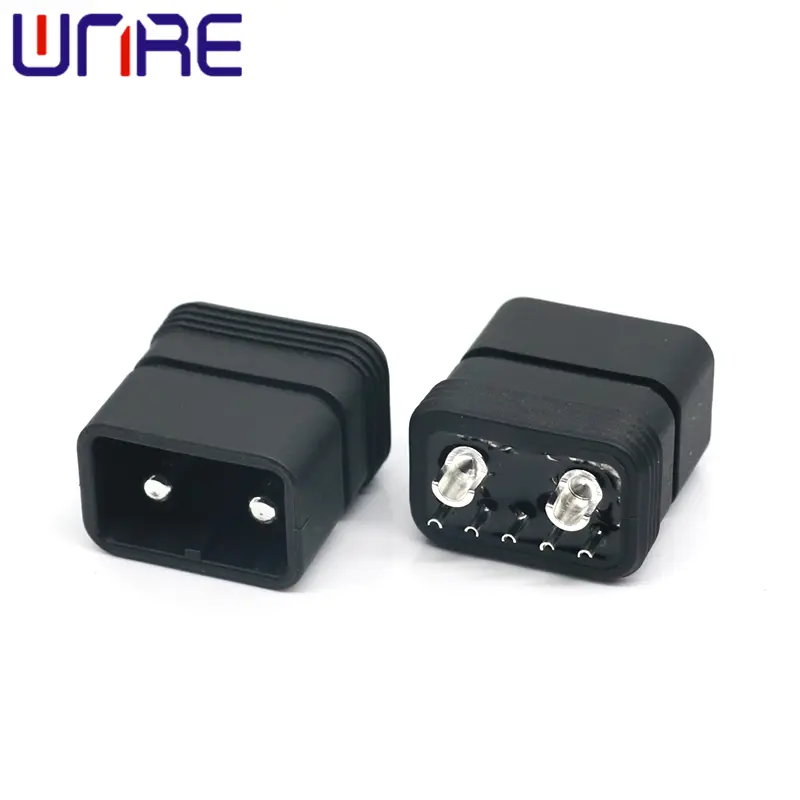
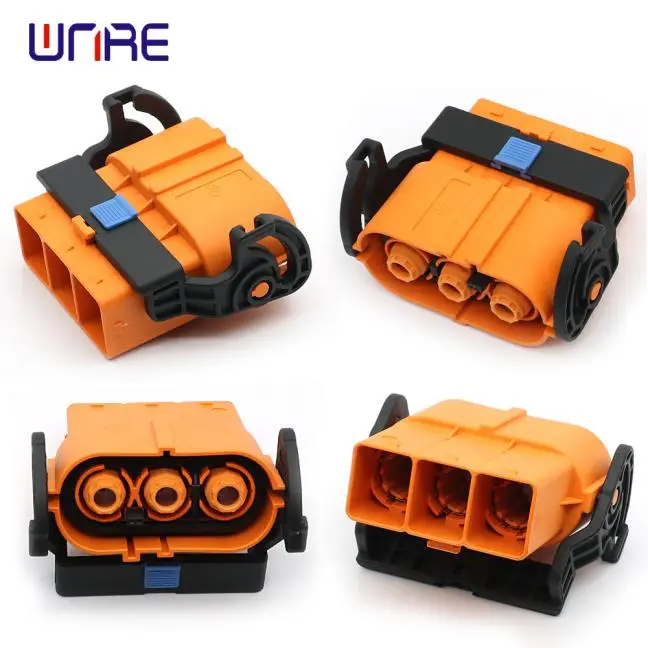

Energy Storage In Electric Vehicles Service Where Service Meets Innovation
Energy storage technology is revolutionizing the electric vehicle (EV) industry, enabling a sustainable transition to greener transportation solutions. As the demand for electric vehicles continues to surge globally, innovative energy storage systems play a crucial role in enhancing the efficiency, range, and overall performance of these vehicles. This demand offers vast opportunities for global procurement, particularly in sourcing high-quality components that can ensure reliability and longevity in energy storage units. At the forefront of innovation, emerging technologies such as solid-state batteries and advanced lithium-ion systems are redefining energy storage capabilities. These innovations not only improve energy density but also enhance safety and charge cycles. For global buyers seeking to stay ahead in the EV market, investing in cutting-edge storage solutions ensures that they meet the rising consumer expectations for EV performance. The integration of smart technology in energy management systems also facilitates seamless charging and energy distribution, providing a competitive edge in sustainability efforts. As the electric vehicle landscape continues to evolve, the importance of robust supply chains cannot be overstated. Collaborative partnerships with suppliers that prioritize innovation and quality are essential. By fostering relationships with providers that leverage advanced energy storage technologies, stakeholders can navigate the complexities of the market effectively, ultimately contributing to a more sustainable and electrified future.
Energy Storage In Electric Vehicles Service Where Service Meets Innovation
| Category | Specification | Benefits | Usage Scenario |
|---|---|---|---|
| Lithium-ion Batteries | Capacity: 60 kWh, Cycle Life: 2000 cycles | High energy density, long lifespan, lightweight | Daily commuting, long-distance travel |
| Solid-State Batteries | Capacity: 80 kWh, Enhanced safety features | Superior safety, higher energy density | Commercial vehicles, luxury electric cars |
| Supercapacitors | Capacity: 10 kWh, High power density | Rapid charging, long life cycle | Regenerative braking systems, start-stop applications |
| Battery Management System (BMS) | Real-time monitoring, balance battery cells | Increased battery life, enhanced safety | Electric vehicles, energy storage systems |
| Vehicle-to-Grid (V2G) Technology | Bidirectional charging capability | Grid stabilization, load balancing | Smart grid systems, energy management |
Related Products
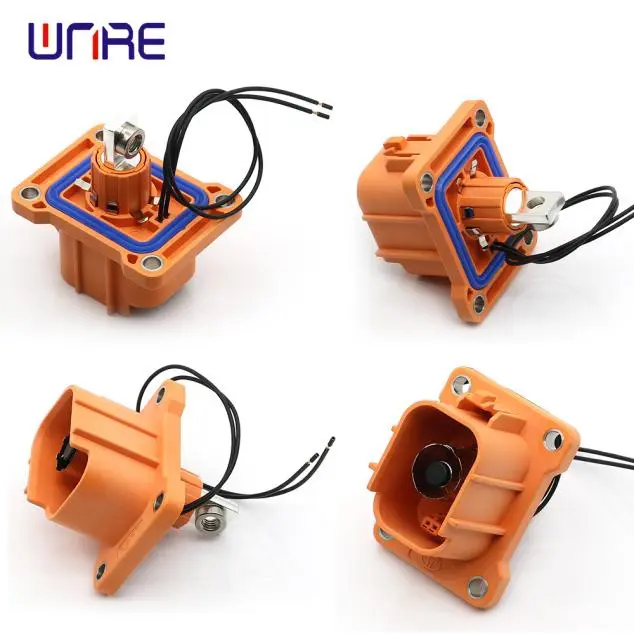
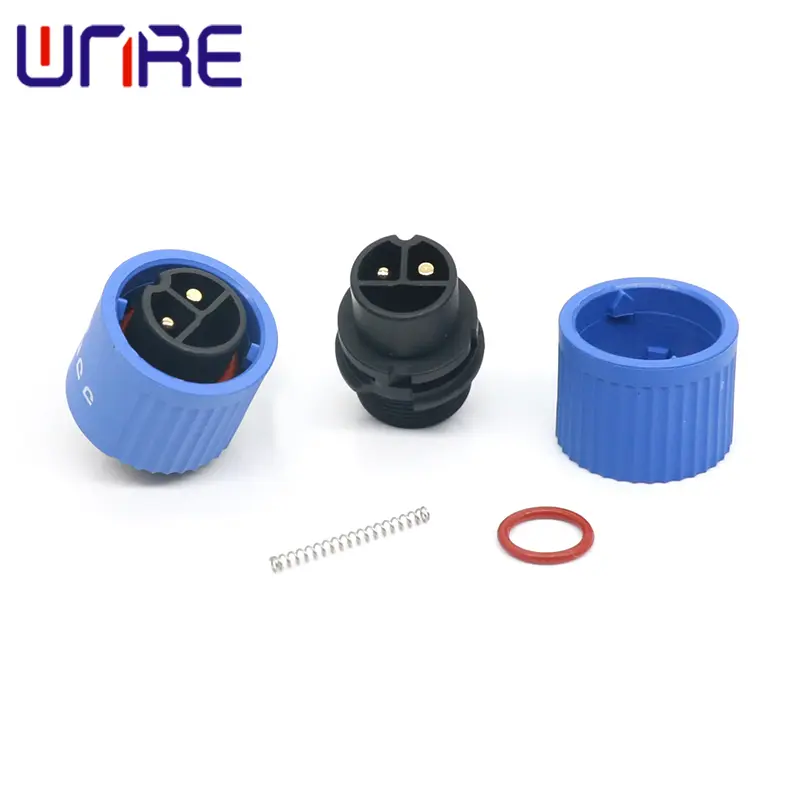
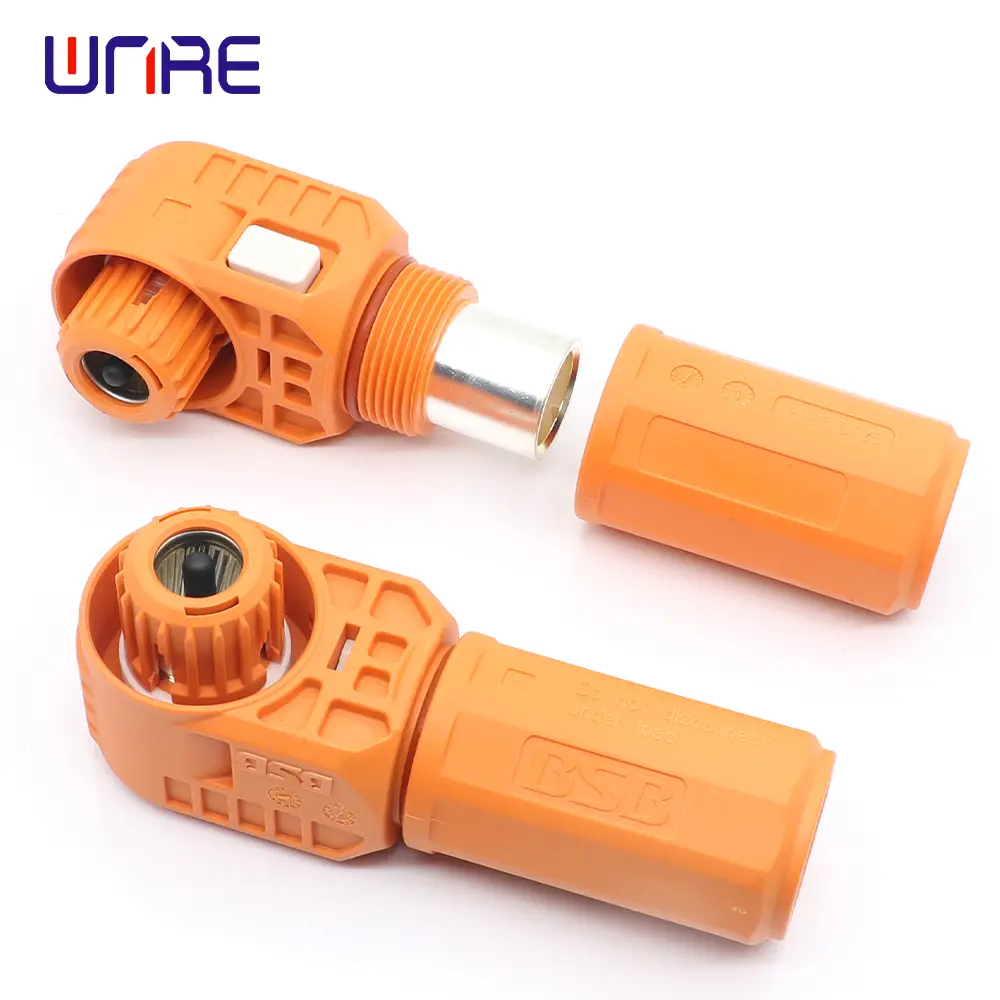
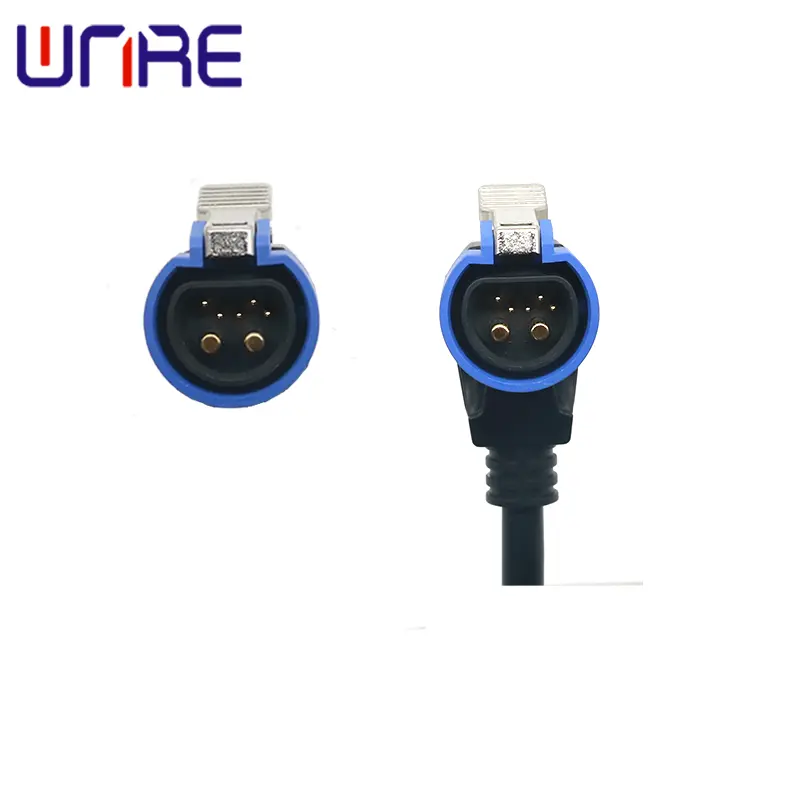


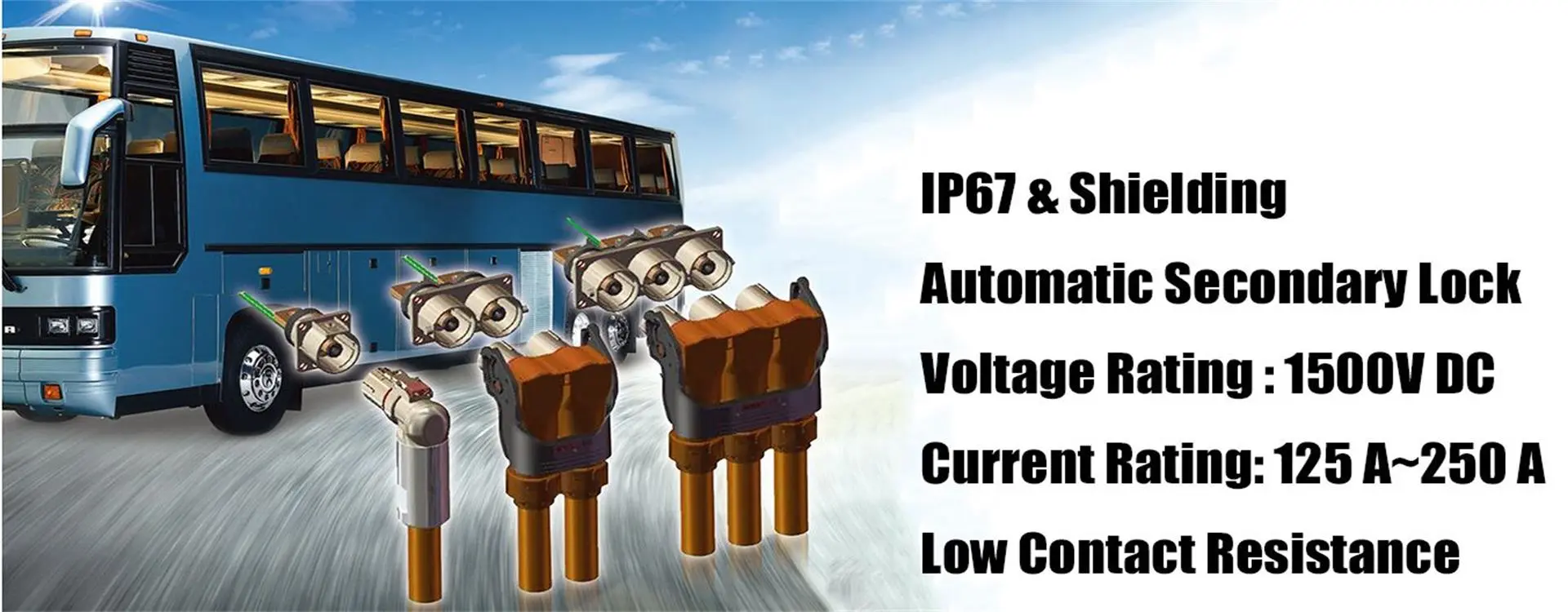
Energy Storage In Electric Vehicles Manufacturer Supplier
Top Selling Products

- Related Blog
- Reviews
- Reviews