
Complete Guide to EV Charging Requirements for Manufacturers in China
As a business in the EV charging market, understanding the requirements is essential for staying competitive. Collaboration with manufacturers in China has underscored the significance of compliance and efficiency in charging solutions. When sourcing products, it's crucial to choose options that are not only reliable but also adhere to the necessary specifications for a variety of EV models. With the rapid evolution of technology, navigating the technical details can be daunting. I focus on delivering clear and comprehensive information about each charger, empowering you to make informed decisions for your fleet or retail space. Partnering with an experienced manufacturer can streamline operations and enhance customer satisfaction. In a competitive landscape, having the right products that align with your business goals and customer expectations is key. Let's connect to discuss the optimal choices for your needs.

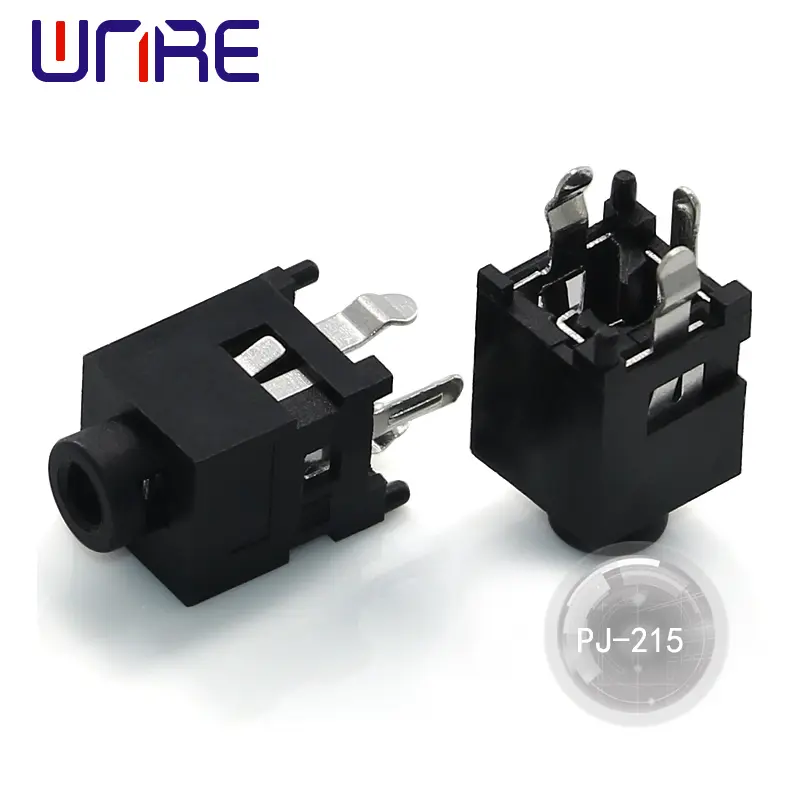
Ev Charging Requirements Industry Giant From Concept to Delivery
As the world accelerates towards a sustainable future, the demand for electric vehicles (EVs) continues to surge, necessitating a robust and efficient charging infrastructure. Industry giants are recognizing that the transition from concept to delivery is not merely about technology; it encompasses comprehensive planning, execution, and collaboration across multiple sectors. Understanding the requirements for EV charging is paramount for global buyers aiming to stay ahead in this competitive landscape. Key components of successful EV charging infrastructure include reliable equipment, extensive network coverage, and user-friendly interfaces. Buyers should focus on partnerships with suppliers who offer not only state-of-the-art charging stations but also scalable solutions that can adapt to the growing demand. This requires a deep understanding of local regulations, power grid capabilities, and consumer preferences to ensure systems are both efficient and accessible. Furthermore, integrating smart technology into charging solutions can enhance the user experience and operational efficiency. Features such as mobile apps for charging management, real-time availability updates, and easy payment options make the network more appealing to EV users. By leveraging innovative technologies and aligning with industry standards, businesses can ensure a seamless transition for consumers and contribute to a greener, more sustainable future.
EV Charging Requirements Industry Giant From Concept to Delivery
| Charging Type | Power Output (kW) | Charging Time (Hours) | Connector Type | Usage Location |
|---|---|---|---|---|
| Level 1 | 1.4 | 8-20 | NEMA 5-15 | Home, Residential |
| Level 2 | 7.2 | 4-8 | J1772 | Commercial, Public |
| DC Fast Charging | 50-350 | 0.5-3 | CHAdeMO, CCS | Highway, Fast Charging Stations |
| Wireless Charging | 3-10 | 2-4 | N/A | Residential, Future Development |
Related Products
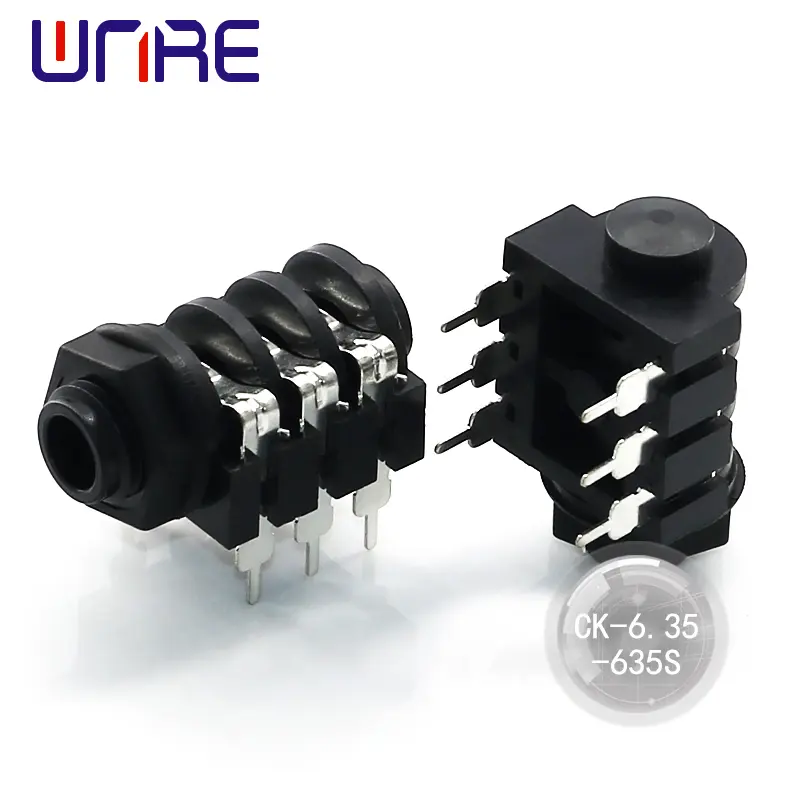

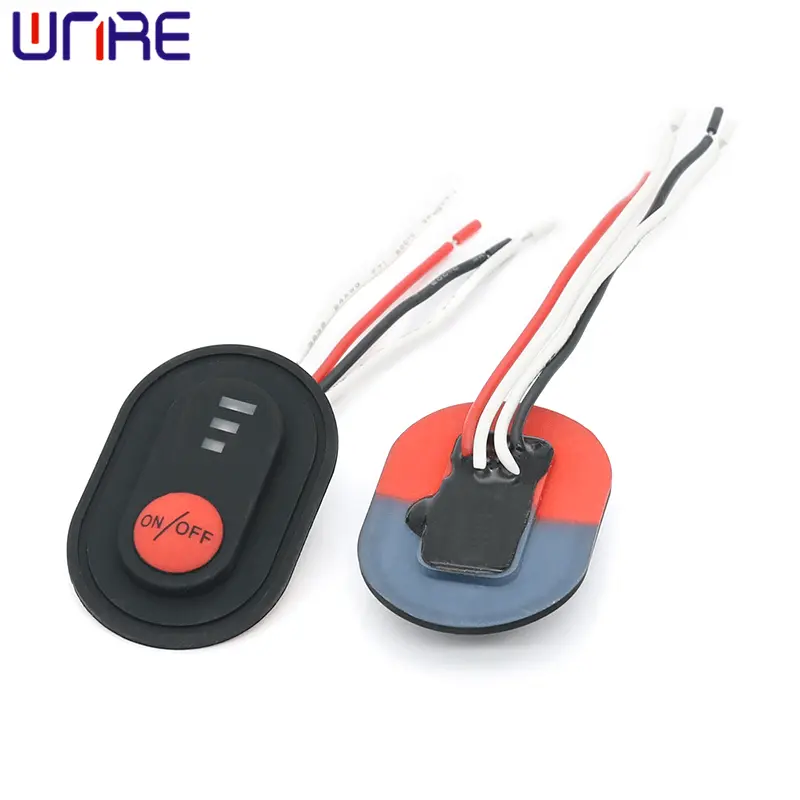
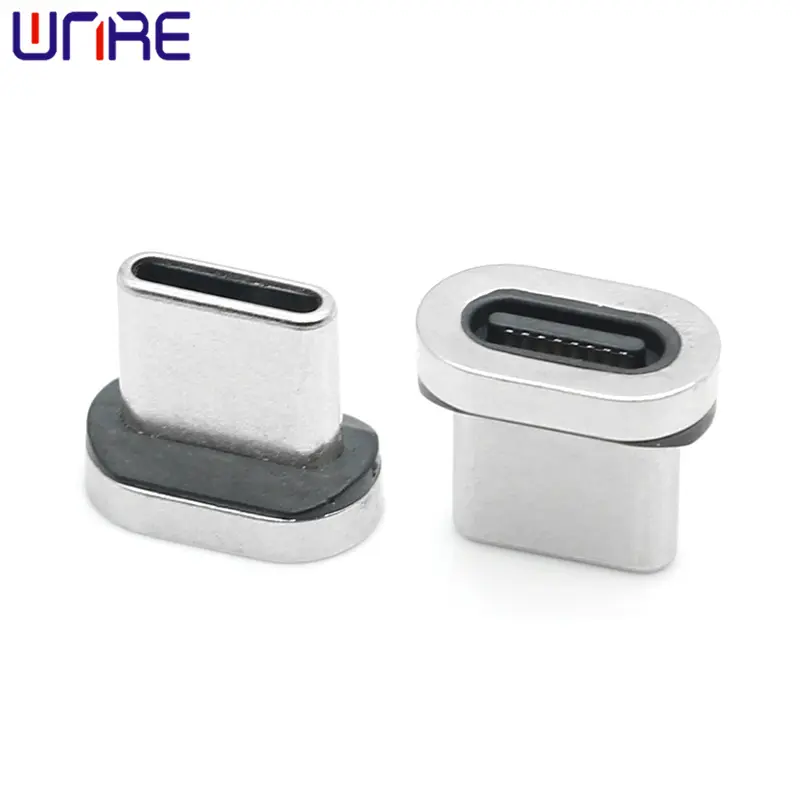
Ev Charging Requirements Manufacturers You Can Rely On Custom Solutions,
Top Selling Products

- Related Blog
- Reviews
- Reviews