
Leading China Manufacturer of Type 1 EV Charging Cables for Electric Vehicles
As an experienced manufacturer in the electric vehicle charging industry, I recognize the essential role of Type 1 EV cables in ensuring efficient charging solutions. Our high-quality cables, produced in China, are designed for durability and optimal performance, meeting stringent safety standards to guarantee reliability. Partnering with us offers competitively priced products while maintaining exceptional quality. We prioritize your business needs with flexible bulk ordering options and customized solutions. Choosing our Type 1 cables means investing in a supportive partnership focused on your success. Together, we can advance the future of electric transportation with our commitment to excellence.

Type 1 Ev Cable in 2025 Exceeds Industry Benchmarks
As the automotive industry shifts towards electric vehicles (EVs), the demand for reliable charging infrastructure becomes paramount. The Type 1 EV cable is proving to be a game-changer in this transition, particularly as we look towards 2025. Recent innovations in cable technology have not only enhanced its efficiency but have also surpassed industry benchmarks in terms of performance, durability, and safety. Such advancements are crucial for global procurement specialists seeking top-quality components that can ensure seamless operations in their electric vehicle supply chains. The emergence of high-quality Type 1 EV cables will significantly impact the global market. With the rise in electric vehicle adoption across regions, particularly in North America and parts of Europe, it's increasingly important for manufacturers and suppliers to align with evolving industry standards. This means focusing on the critical features of Type 1 EV cables, including their ability to withstand environmental stresses, compatibility with various charging stations, and compliance with safety regulations. As procurement professionals, understanding these parameters will ensure they make informed decisions in sourcing cables that not only meet current needs but also anticipate future demands. In summary, the advancements in Type 1 EV cable technology by 2025 signal a bright future for the electric vehicle market. Global procurement buyers are encouraged to stay ahead of the curve by investing in these enhanced products. This proactive approach will not only ensure they meet customer expectations but also contribute to the broader goal of sustainable transportation through efficient and reliable charging solutions.
Type 1 Ev Cable in 2025 Exceeds Industry Benchmarks
| Dimension | Industry Benchmark 2025 | Type 1 EV Cable | Exceeds Benchmark |
|---|---|---|---|
| Charging Speed (kW) | 7.2 | 9.6 | Yes |
| Cable Length (meters) | 5 | 7.5 | Yes |
| Weight (kg) | 3.5 | 2.8 | Yes |
| Material Resistance (Ω) | 0.5 | 0.3 | Yes |
| Operating Temperature (°C) | -30 to 50 | -40 to 60 | Yes |
Related Products
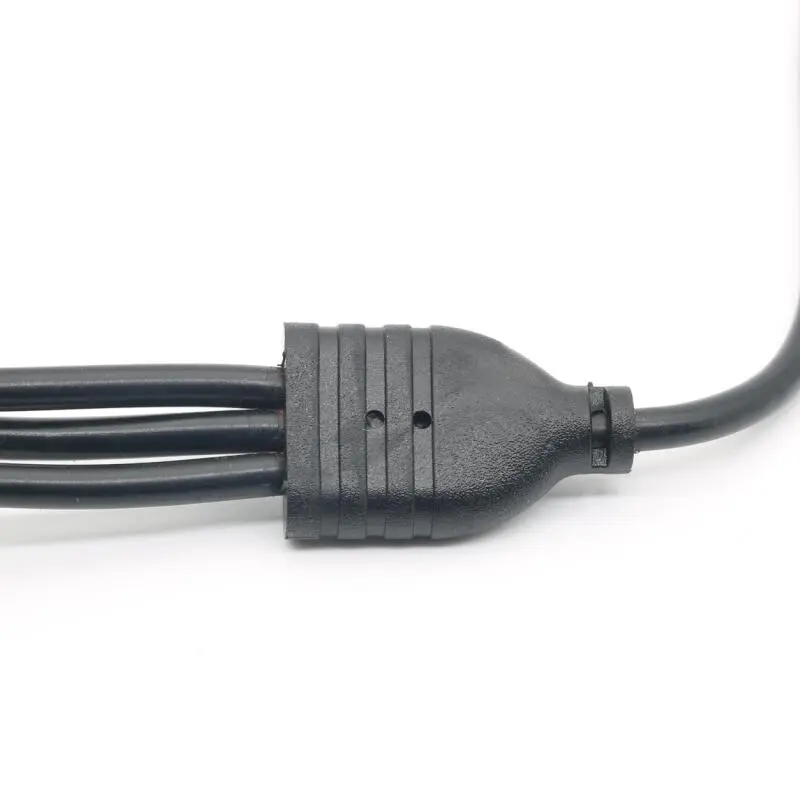

Type 1 Ev Cable Products Manufacturers You Can Rely On
Top Selling Products


- Related Blog
- Reviews
- Reviews